Startups usually do not struggle because they lack ideas.
Most of the time, they struggle because nobody can actually find those ideas online.
That part frustrates founders more than they admit.
You spend weeks building a product, writing content, maybe even posting consistently, and still the website barely moves on search.
Traffic stays flat. Blogs do not rank. Pages disappear somewhere after page three on Google where nobody really goes.
And honestly, this is where many startups start feeling confused about SEO.
Because they are creating content. They are trying to stay active. But visibility still feels unpredictable.
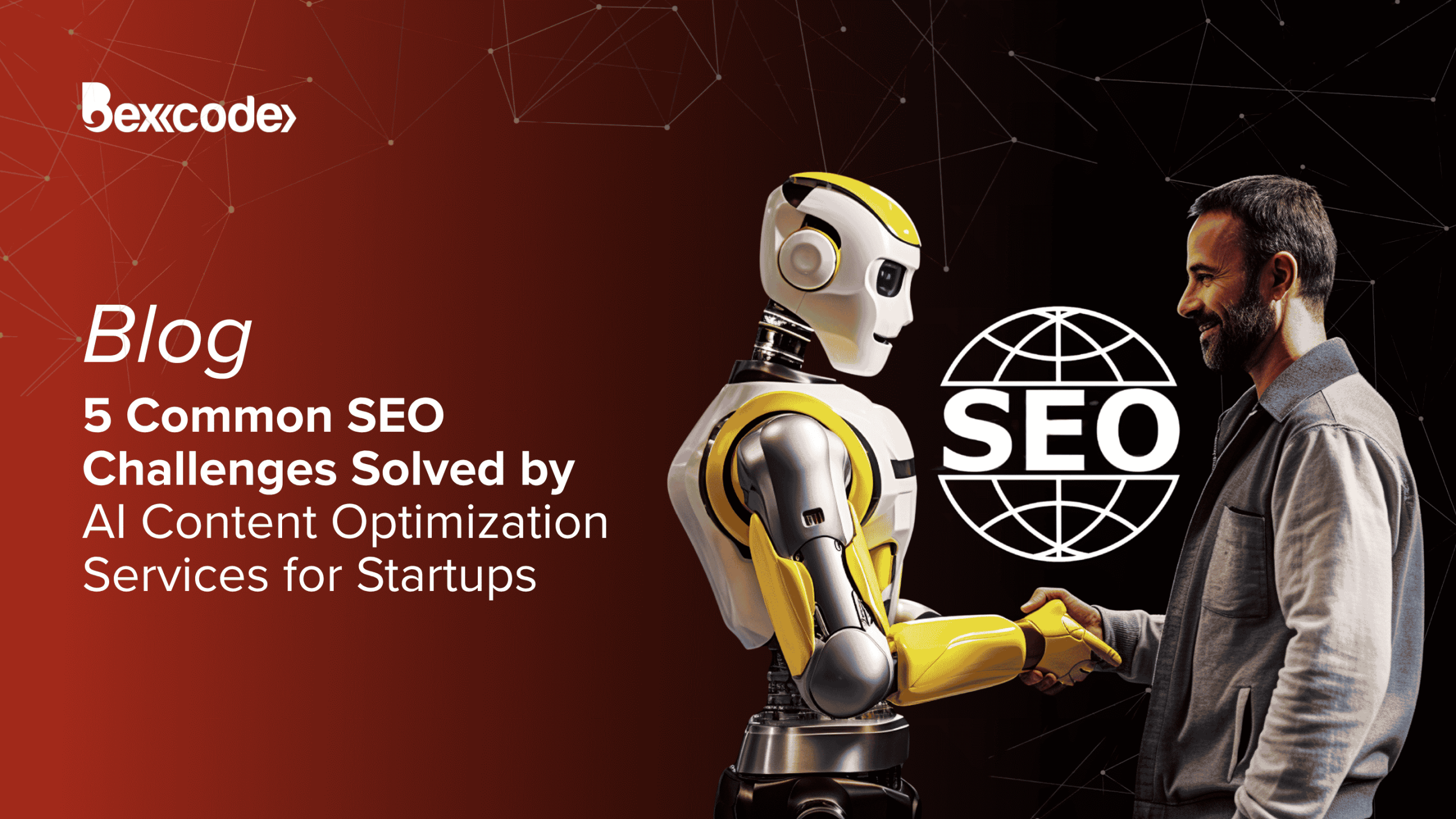
That is exactly why more businesses are now exploring ai content optimization services.
Not because AI magically ranks websites overnight.
Mostly because startups do not have the time to manually figure out every SEO gap anymore.
SEO Problems Usually Build Quietly
A lot of founders expect SEO problems to look technical.
Sometimes they do.
But usually, it is smaller things building up over time.
A blog targets the wrong keywords. Another page answers the topic too vaguely. Content gets published once and never updated again.
None of this feels urgent initially.
Then six months later, the site still is not ranking properly.
According to Semrush, search visibility often improves when businesses regularly optimize existing content instead of only publishing new pages.
That sounds simple, honestly. But startups usually stay too busy building products to revisit old content consistently.
One Big Problem: Startups Create Content Without Search Intent
This happens constantly.
A founder writes what sounds important internally, but not necessarily what users are searching for.
There is a difference.
For example, a startup may publish:
“Why Our Product Is Revolutionary”
while users are actually searching:
“How to reduce customer churn”
That mismatch affects rankings immediately.
Good AI SEO services help identify what users are actually searching for instead of what businesses assume they search.
And honestly, this changes content strategy more than people expect.
Because suddenly, the content starts answering real questions instead of sounding promotional all the time.
Another SEO Problem: Content That Feels Too Broad
A lot of startup content tries to talk about everything at once.
That usually weakens rankings.
Google tends to reward pages that answer one topic clearly instead of covering ten things vaguely.
This is where AI content optimization services for startup businesses help a lot.
They analyze:
- missing keyword relevance
- weak topical depth
- search intent gaps
- readability issues
Not in a robotic way, hopefully, but enough to show where the content feels unclear.
Sometimes, a page does not need a full rewrite.
It just needs sharper focus.
Startups Also Struggle With Content Consistency
This is probably one of the biggest issues.
Content gets published during busy weeks, then completely stops for two months because the team is overwhelmed again.
That inconsistency affects visibility more than startups realize.
SEO usually rewards consistency over random bursts of activity.
The problem is that small teams rarely have time to review optimize constantly, and update older pages manually.
That is where top AI content optimization services help operationally.
Not because AI replaces strategy.
Mostly because it reduces repetitive review work that small teams struggle to keep up with.
Old Content Quietly Loses Rankings Over Time
Most startups focus heavily on publishing new content.
Very few spend time improving older blogs.
That creates another SEO problem quietly in the background.
Search behavior changes. Competitors update pages. New information appears.
Meanwhile, older startup blogs stay frozen exactly the same for years.
Eventually, rankings drop.
This is something businesses usually notice late because traffic declines gradually, not suddenly.
Good AI content optimization services help identify older pages that need updates before rankings disappear completely.
And honestly, updating existing content often performs better than constantly publishing from scratch.
SEO Reporting Confuses A Lot of Startup Teams
This part gets ignored constantly.
Founders look at impressions, rankings, clicks, bounce rates, but still are not fully sure what needs fixing.
Too much disconnected data creates confusion instead of clarity.
AI-supported optimization tools help surface patterns faster.
For example:
- pages losing visibility
- declining keyword relevance
- weak headings
- missing search intent alignment
That visibility helps startups make decisions quicker instead of guessing constantly.
And honestly, guessing is what wastes the most SEO time early on.
The Real Problem Usually Is Not Content Quantity
A lot of startups think they simply need more blogs.
Usually, that is not fully true.
Sometimes, they just need clearer content.
Better structure. Sharper intent. Cleaner optimization.
A smaller amount of well-optimized content often performs better than dozens of random blogs published quickly.
That difference becomes obvious after optimization starts improving rankings gradually.
What Weak SEO Content Usually Looks Like
In weaker SEO setups, blogs often feel disconnected from what users are actually searching for. Pages become too broad, updates stop happening, and rankings slowly decline without businesses noticing immediately.
Stronger content systems usually feel more intentional. Topics align better with search behavior, pages stay updated, and teams spend less time guessing what Google wants.
That operational clarity matters more than startups realize.
Final Thoughts
SEO problems usually do not appear dramatically at first.
That is why startups ignore them longer than they should.
A page slowly drops rankings. Traffic becomes inconsistent. Content stops bringing meaningful visibility.
Then eventually the entire SEO process starts feeling frustrating.
Good AI SEO services help startups identify those gaps earlier while reducing repetitive optimization work internally.
But strategy still matters.
The strongest content usually comes from businesses that understand both search intent and their actual audience properly.
That balance is still important.
Schedule a call with our experts at Bexcode to build SEO content systems that improve visibility, organic traffic, and long-term search growth for your startup.
FAQs
Yeah, especially when content starts matching what people are actually searching for instead of just what businesses want to say.
Usually things like weak keyword targeting, outdated content, missing search intent, and pages that feel too broad.
Not really. AI can help structure and optimize content, but human insight still matters a lot for quality and relevance.
Definitely. A lot of startups use AI tools early because hiring full SEO teams immediately is usually expensive.
Yes, and honestly, that is one of the most useful parts because older content quietly loses rankings over time.